Is AC Water Good for Gardening? Pros, Cons, and How It Can Save You Money
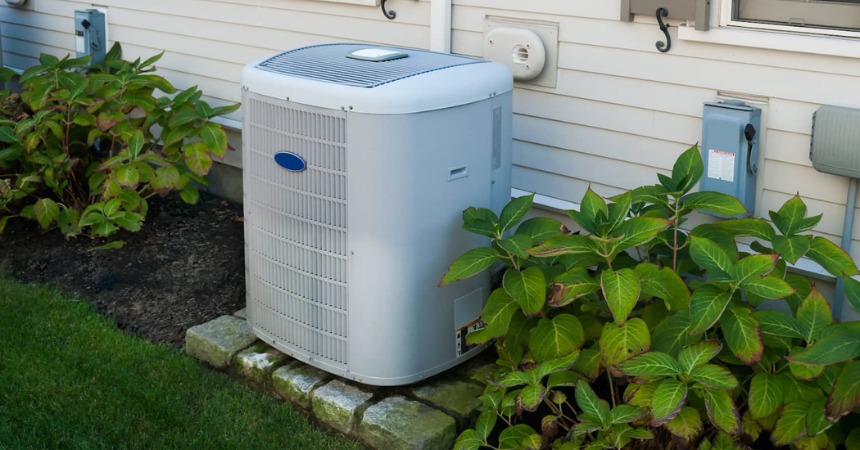
Using AC water for gardening may save you money, but is it safe for plants? Let's find out.
Air conditioners are an essential part of modern living, providing cool, comfortable indoor temperatures during hot months. However, air conditioning units produce a byproduct that many homeowners overlook, condensate, or air-con water. With sustainability becoming a priority, people are finding ways to reuse resources, and air conditioner water is no exception. But the big question remains: Is AC water good for gardening?
In this blog, we’ll dive into the science behind air conditioner condensate, examine its pros and cons for use in gardening, and explore how reusing this water could lead to significant savings on plant care.
What Is Air Conditioner Water?
Air conditioner condensate, often referred to as air-con water, is the result of humidity being removed from indoor air. When an AC unit cools the air, the moisture in the air condenses on the unit's cooling coils, forming water droplets. This water is typically collected and drained away, often ending up as wasted water. However, many homeowners have started wondering if they can use this water for practical purposes, such as watering their plants.
On average, a typical air conditioning unit can produce several gallons of water each day, especially in humid climates. The idea of using this water for a garden watering system is appealing, especially for those looking to reduce water bills or conserve water in areas where it’s scarce.
The Pros of Using AC Water for Gardening
Cost Savings
One of the biggest advantages of using ac water for your garden is the potential cost savings. Watering plants, especially in large gardens or dry climates, can lead to high water bills. Collecting and reusing aircon water means you can cut down on the amount of tap water you use. For eco-conscious gardeners, this is a big win, as it not only saves money but also helps reduce the strain on local water supplies.
Environmental Impact
Using ac water is an environmentally friendly practice. Rather than allowing this water to go to waste, you can redirect it to your garden. In regions where droughts are common, reusing any available water is a smart and sustainable practice. By incorporating air conditioner condensate into your garden watering system, you reduce water wastage and make your gardening routine more eco-friendly.
Soft Water for Non-Edible Plants
Unlike tap water, which often contains minerals like calcium and magnesium, air con water is essentially distilled. It is low in minerals, which can be beneficial for some plants, particularly ornamental ones. Over time, tap water with high mineral content can cause salt buildup in the soil, which can affect plant health. AC water, being mineral-free, reduces this risk.
Plants like flowers, shrubs, and lawns generally tolerate ac water well, making it an ideal option for watering non-edible plants. This form of water can be particularly useful for indoor plants and potted plants that are sensitive to mineral buildup from tap water.
The Cons of Using Air Conditioner Water
Lack of Nutrients
While aircon water may be free of minerals, it also lacks essential nutrients that plants need to thrive. Unlike rainwater, which contains trace elements that benefit plant growth, ac water is essentially distilled. This means that if you rely solely on air con water for your garden, your plants may miss out on the nutrients they need.
This issue can be mitigated by supplementing your watering routine with fertilizers or by alternating between ac water and nutrient-rich sources like rainwater or tap water. Still, it’s important to be mindful of the limitations of using aircon water alone for long periods.
Potential Contaminants
AC units can accumulate dust, dirt, and mold inside their systems, which could make their condensate water less than ideal for plants. If the unit’s coils or drainage system are not regularly cleaned, contaminants like bacteria or mold could be present in the ac water. While these contaminants may not harm ornamental plants, they could pose risks to edible plants and sensitive species.
It's essential to ensure that your AC unit is properly maintained if you plan to use its water for gardening. Clean the coils and drainage lines regularly to avoid introducing harmful substances into your garden.
Not Suitable for Edible Plants
Perhaps the most significant drawback of using aircon water is its unsuitability for vegetable gardens or herb patches. The potential presence of contaminants like bacteria or mold makes it unsafe to use on food-producing plants. Moreover, the lack of essential minerals and nutrients in ac water means it won't provide the necessary support for the healthy growth of vegetables or fruits.
For gardeners growing food crops, relying on ac water is not recommended. Instead, it’s better suited for watering non-edible plants, flowers, and lawns.
How to Use AC Water Safely in Your Garden
Set Up a Collection System
To make use of ac water for your plants, you’ll need a simple collection system. Most air conditioning units have a drain that allows the water to flow out. You can position a water barrel or bucket beneath the drainage point to collect the water. Make sure to use a clean container to avoid introducing contaminants to your plants.
Filter and Test the Water
Even though aircon water is distilled, it’s still a good idea to filter it, especially if you plan to use it regularly. Filtering the water helps remove any small particles or potential contaminants. Testing the water’s pH level is also important, as ac water can sometimes be slightly acidic, which might not be ideal for all plants.
Use in Conjunction with Other Water Sources
While ac water is a great supplement, it shouldn't be your garden’s sole water source. Consider using it in combination with rainwater or tap water, especially for plants that need specific nutrients. This approach ensures that your plants get a balanced watering schedule, and it prevents potential long-term issues like nutrient deficiencies or soil imbalances.
Best Time to Water with AC Water
The best time to water garden plants is during the early morning or late afternoon. Watering during these cooler times of day reduces evaporation and allows plants to absorb moisture more effectively. Using ac water at these times ensures that your plants benefit fully from the water, while avoiding the scorching midday heat.
Using air conditioner water for gardening can be a cost-effective and environmentally friendly way to water your plants. While aircon water has its pros, such as being free, abundant, and low in minerals, it also comes with downsides, particularly for those growing edible plants. However, with proper use and supplemental care, ac water can be a valuable addition to your garden watering system.
When you combine ac water with other water sources and stay mindful of its limitations, you can create a sustainable and economical watering routine that helps both your plants and the environment.
If you’re interested in learning more about sustainable gardening practices, follow Leafysparks for tips, insights, and the latest on eco-friendly gardening solutions.