How to Use an Ultrasonic Cleaner For Mouth Guards without Damaging Them
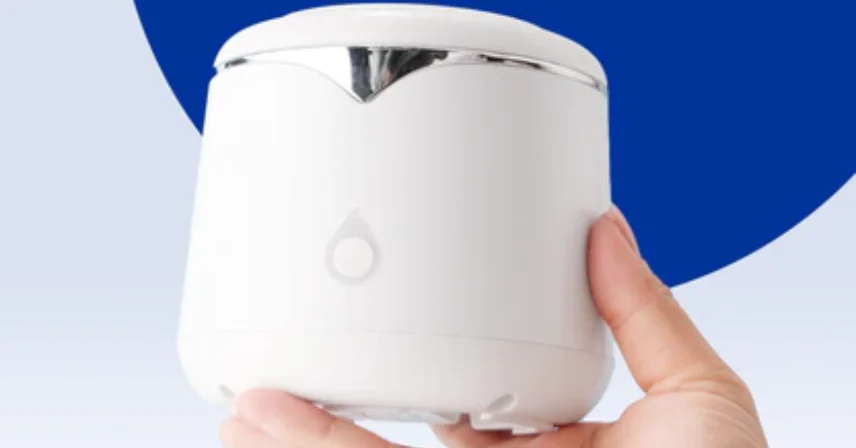
Mouth guards need regular cleaning, but harsh methods can shorten their lifespan. Learn how ultrasonic cleaning helps keep them hygienic without causing damage.
A mouth guard sits in a warm and moist environment for hours at a time, making regular cleaning essential. Many people know hygiene matters, yet concerns about scratches, warping, and premature wear often make them hesitant to try new cleaning methods.
This guide explains how to use an Ultrasonic Cleaner For Mouth Guards safely, what mistakes to avoid, and how to keep dental appliances in good condition for longer.
Why Proper Cleaning Matters For Mouth Guards
Every day, a mouthguard gathers saliva, plaque, bacteria and microscopic particles. Buildup can stay in grooves and minor surface flaws, even if it appears clean. People discussing dental appliance care on Reddit frequently mention unpleasant odors developing despite daily rinsing. In many cases, the issue comes from residue that simple brushing cannot fully remove.
Another concern is material degradation. Improper cleaning methods can cause cracking, discoloration, or distortion. Since many mouth guards are custom-fitted, preserving their shape is just as important as keeping them clean.
Common Cleaning Methods People Use
The effectiveness of cleaning varies depending on the approach used. Understanding the merits and weaknesses of each might help you select the right strategy for balancing hygiene with long-term appliance care.
Manual Cleaning
Manual cleaning remains the most prevalent method. The visible debris can be cleaned with water and a gentle toothbrush after each usage. This approach is OK for day-to-day maintenance, but it usually has trouble getting into the small cracks. And scrubbing too hard will result in tiny scratches that, over time, will provide germs more places to settle.
Soaking Solutions
Many people soak dental appliances in specialized cleaning solutions or tablets. These products help loosen buildup and can improve freshness. A soaking routine may be useful for periodic deep cleaning, though some individuals on Quora have reported concerns about strong solutions affecting appliance appearance after prolonged or frequent use. Following manufacturer guidance is always important.
Ultrasonic Cleaning
Ultrasonic cleaning uses high-frequency vibrations in water to create microscopic bubbles. These bubbles collapse rapidly and help lift debris from hard-to-reach areas. An Ultrasonic Cleaner For Mouth Guards provides a non-abrasive cleaning process, which is why many dental appliance users prefer it. Instead of relying on scrubbing, the technology performs much of the work through water-based cleaning action.
How An Ultrasonic Cleaner For Mouth Guards Works
The science behind ultrasonic cleaning is surprisingly simple. High-frequency sound waves travel through water and create tiny bubbles in a process known as cavitation. When these bubbles collapse, they generate enough energy to dislodge particles from surfaces and small spaces. This allows cleaning to occur in areas that brushes often miss.
One useful advantage is 360-degree coverage. Unlike manual cleaning, which depends on where a brush can reach, ultrasonic waves move throughout the water tank and clean multiple angles simultaneously.
Some of the newer devices even have UV technology built into them. Smilepath uses ultrasonic vibrations and UV light in a two-step cleaning method that helps to remove dirt and reduce bacteria on dental appliances.
Step-by-Step Guide To Cleaning A Mouth Guard
Using an ultrasonic cleaner correctly helps you get the best cleaning performance and also protects the equipment.
Preparing The Device
Begin by inspecting the mouth guard for visible damage. Small cracks or tears should be addressed before cleaning because damaged areas can worsen over time. Fill the cleaning tank with clean water according to the manufacturer's instructions. Water is necessary for proper ultrasonic operation and helps prevent damage to the machine itself.
Place the mouth guard inside the tank so all surfaces remain submerged. Avoid overcrowding the tank if cleaning multiple items.
Running The Cleaning Cycle
Select the appropriate cleaning mode based on the condition of the appliance.
Smilepath UV Ultrasonic Cleaner offers two cleaning options:
- Quick Clean Mode for everyday maintenance
- Deep Clean Mode for more thorough cleaning sessions
Do not stop the device in the middle of the cycle. Let it finish the cycle. Interruption of the process can diminish cleaning efficiency.
People online who talk about ultrasonic machines say that frequency of use counts more than the duration of each cleaning session. Short frequent cleaning cycles usually offer better results than occasional thorough cleaning.
Rinsing And Storage
After the cleaning cycle ends, remove the mouth guard and rinse it with tap water. This step helps wash away loosened debris that may remain on the surface.
Allow the appliance to dry completely before storing it. Moisture trapped in a storage case can encourage bacterial growth and create unwanted odors.
Store dental items such as mouth guards in a container with excellent air flow. Good ventilation helps to maintain hygiene between uses.
Common Mistakes To Avoid
Several cleaning habits can shorten the lifespan of a dental appliance.
Don’t make these common mistakes:
- Use of hot or boiling water
- Scrubbing hard using stiff bristle brushes
- Running ultrasonic devices with no water
- Storage when wet
- Not seeing any damage or cracks
Heat remains one of the biggest risks. Excessive temperatures may alter the shape of some mouth guards, affecting comfort and fit.
Another overlooked mistake involves inconsistent cleaning. Plaque and debris become harder to remove when allowed to accumulate over long periods.
Frequently Asked Questions
Can An Ultrasonic Cleaner For Mouth Guards Damage The Material?
When used according to manufacturer instructions, ultrasonic cleaning is generally considered safe for mouth guards. Always use water and follow recommended cleaning times.
How Often Should A Mouth Guard Be Cleaned?
A quick cleaning after each use is recommended. A more thorough cleaning routine can help manage deeper buildup and odors.
Can I Add Cleaning Tablets To The Water?
Many ultrasonic cleaners allow the use of cleaning tablets. Smilepath notes that water alone is effective, though tablets may provide additional cleaning support.
Can A Mouth Guard And Retainer Be Cleaned Together?
If there is enough space inside the cleaning chamber and the manufacturer allows it, multiple compatible dental appliances may be cleaned during the same cycle.
Clean dental appliances last longer, feel more comfortable, and remain more hygienic throughout daily use. With the Smilepath UV Ultrasonic Cleaner, people can build a gentler routine without harsh chemicals or aggressive scrubbing.
Before buying, people looking to save can also check Smilepath Promo Codes for available discounts.
Follow LeafySpark for more helpful guides on health and everyday wellness.