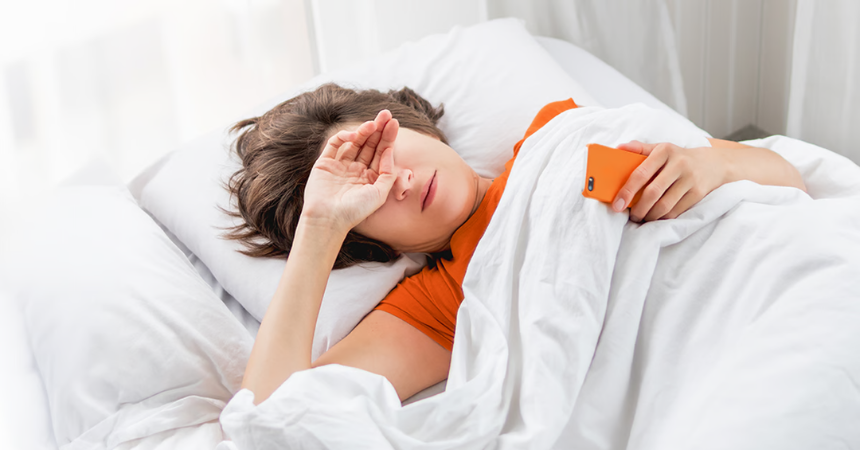
Poor sleep leads to aging skin and weak hair. Find out how to improve your sleep for better beauty results.
Have you ever noticed how a bad night’s sleep shows up not just in your mood, but in your appearance? Your skin might look dull, and your hair feels more brittle, as if it too didn't get enough rest. Sleep is the body’s natural way of healing and rejuvenating, yet in a world of busy schedules, stress, and late-night distractions, it often falls low on the list of priorities. But what if we told you that your sleeping habits play a direct role in how your skin and hair look?
A restful night is a crucial part of maintaining your health. While you sleep, your body goes to work, repairing damaged cells, balancing hormones, and releasing growth factors that keep you looking and feeling your best. When unhealthy sleeping habits become the norm, this repair process is disrupted, leaving visible signs of aging and damage in their wake.
This article explores how your sleep impacts your skin and hair, the toll that poor sleeping habits can take on your beauty, and how you can transform your nightly routine into a powerful anti-aging tool.
The Science of Sleep and Beauty
We’ve all heard the term "beauty sleep," but it's not just a saying, there's real science behind it. While you sleep, your body produces essential proteins like collagen and keratin, which are vital for maintaining strong, elastic skin and hair. These proteins form the structural framework that keeps your skin firm and your hair strong. When you miss out on a good night’s rest, your body produces less of these vital proteins, and the results become visible in your appearance.
Sleep also helps regulate hormone levels. Hormones like cortisol, which is often referred to as the "stress hormone," rise when you don’t get enough rest. Elevated cortisol levels can break down collagen, leading to sagging skin and the appearance of wrinkles. Additionally, these hormones can trigger excess oil production in the skin, leading to breakouts and inflammation.
Furthermore, blood flow to the skin increases during sleep, delivering oxygen and essential nutrients that help maintain a radiant complexion. When sleep is disrupted or insufficient, this natural process is compromised, and the skin can appear pale or dull. This reduced blood flow also affects the hair follicles, resulting in slower hair growth and more breakage over time.
The Impact of Poor Sleep on Skin
One of the most immediate signs of poor sleeping habits is visible on the skin. When you don’t get enough sleep, your skin has less time to repair itself from the damage it endures during the day. Everything from sun exposure to environmental pollutants takes a toll, and without the proper repair time, these stressors accumulate, leading to more pronounced wrinkles, fine lines, and age spots.
Dark circles and puffiness around the eyes are some of the most common signs of sleep deprivation. The skin around the eyes is particularly delicate, and when you don’t sleep enough, fluid can accumulate in this area, leading to a puffy appearance. Over time, repeated sleep deprivation can cause this puffiness to become a permanent feature.
Inflammation is another issue linked to poor sleep. When you don’t sleep well, your body releases more inflammatory markers, which can exacerbate skin conditions like acne, eczema, and psoriasis. This inflammation can also make your skin look more irritated and red, detracting from your overall appearance.
Hair Health and Sleep
Just as poor sleep can lead to skin issues, it can also wreak havoc on your hair. While you rest, your body is hard at work delivering essential nutrients and oxygen to the hair follicles. This process is crucial for promoting hair growth and maintaining the strength and resilience of each strand. Good sleep habits ensure that this restorative process takes place without interruption.
When you don't get enough sleep, your hair may suffer from slower growth and increased shedding. Lack of sleep can disrupt hormone levels, particularly those responsible for hair growth. If cortisol levels remain high due to chronic stress and poor sleep, the hair's growth cycle may be affected, leading to hair thinning and loss.
Sleep deprivation also weakens the hair shaft, making it more prone to breakage and split ends. When your body is deprived of rest, it prioritizes essential functions over less critical processes like hair repair, which means your hair may not get the nutrients it needs to stay strong.
The Role of Stress and Hormones
Stress is one of the biggest culprits when it comes to poor sleep, and its effects on your beauty are far-reaching. When you're stressed, your body produces cortisol, which can interfere with your sleep cycle. This creates a vicious cycle: poor sleep leads to higher cortisol levels, which leads to even worse sleep. Over time, elevated cortisol contributes to the breakdown of collagen and elastin in the skin, speeding up the aging process and making it harder for your skin to bounce back.
Chronic stress from poor sleeping habits can also affect your hair. High levels of cortisol can cause the hair follicles to enter a resting phase, where hair stops growing and eventually falls out. This condition, known as telogen effluvium, can result in noticeable thinning or shedding. If your hair suddenly starts falling out in clumps or becomes significantly thinner, it could be a sign that your body is under stress due to a lack of sleep.
Transforming Your Sleep Routine
If you're struggling with the visible signs of aging or noticing a decline in your hair's health, it may be time to take a closer look at your sleep routine. Developing healthy sleeping habits is one of the most effective ways to support your body’s natural repair processes and keep your skin and hair looking their best.
The quality of your sleep is just as important as the quantity. It's about creating an environment and routine that allows for deep, restful sleep. Start by making your bedroom a sanctuary for rest: eliminate distractions, keep the room cool and dark, and establish a consistent bedtime. Avoid screens at least an hour before bed, as the blue light emitted by phones and computers can interfere with your body’s production of melatonin, the hormone responsible for regulating sleep.
The best sleep occurs when your body can follow its natural circadian rhythms. Going to bed and waking up at the same time each day, even on weekends, helps regulate these rhythms and ensures you're getting the most restorative sleep possible. These good sleep habits will pay off in the form of smoother, firmer skin and stronger, healthier hair.
Additionally, there are other ways to support your skin and hair health while you sleep. Using the right skincare products before bed allows them to work overnight when your skin is in its most reparative mode. The use of anti aging products like retinoids, peptides, and antioxidants can help support collagen production, reduce fine lines, and improve skin texture. Just like sleep itself, consistency in your skincare routine can make all the difference.
When combined with nourishing products and a mindful approach to stress, these habits can make a noticeable difference in how you look and feel. Sleep truly is your body’s natural anti-aging treatment, and by prioritizing it, you’re investing in long-term beauty that goes far beyond the surface.
For more tips on maintaining healthy sleeping habits and improving your skin and hair naturally, stay tuned to Leafysparks for expert advice and insights.